
Our school program emphasizes community engagement, strong academics coupled with a focus on the whole child, small class sizes, and a thoughtful approach to language and language instruction. Our goal is for every student who graduates from Twegashe Primary School to have the foundation they need to reach their full potential and make a positive contribution to their community.
Community
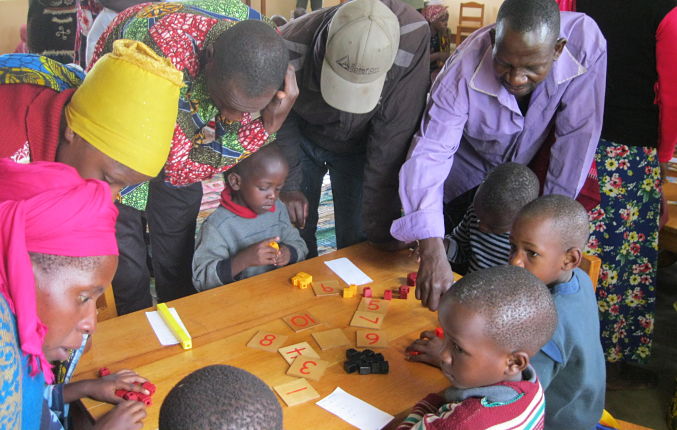
Community is central at Twegashe School. The school campus is located on a 50-acre site donated by Bushasha Village, and the motivation for a new primary school using English as the language of instruction came from the community. All village children are eligible for admission regardless of family income, and families without children already in the school are given priority. We are sharing resources with the local government school when possible, and teachers there are very grateful for the reduction in class sizes that has resulted since Twegashe began operation. Twegashe parents are encouraged to be involved in their children’s education. Parents have demonstrated their support through an active volunteer group and also through financial donations.
Academics
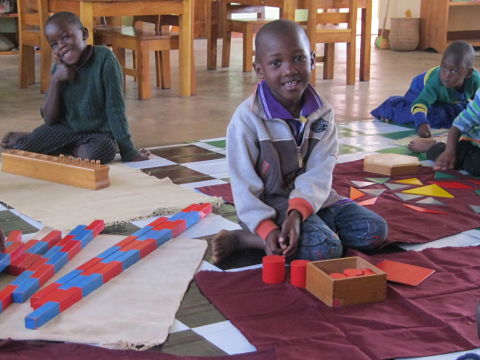
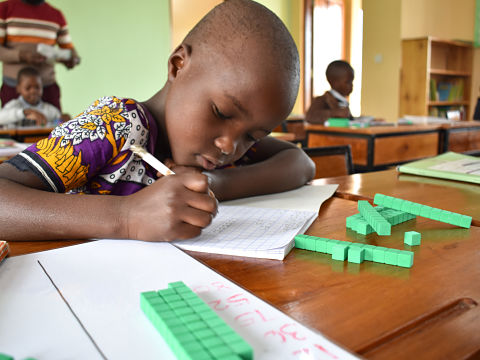
Twegashe emphasizes strong academics coupled with a focus on the whole child. Class sizes are limited to thirty students, and teachers use a wide range of teaching methods, aiming to engage students in learning and to promote critical and creative thinking. Twegashe kindergartners are learning through a modified Montessori approach, using materials donated by one of our U.S. volunteers. Twegashe students are encouraged to express their ideas and opinions as a means toward increasing their understanding and their self-confidence. This approach to teaching is not common in Tanzanian schools, so our teachers are provided with extensive training.
Twegashe Primary School is following the Tanzanian government curriculum, but with significant enrichment. Our goal is for every graduating student not only to pass their national exams, but to have the foundation they need to reach their full potential and make a positive contribution to their community.
Language
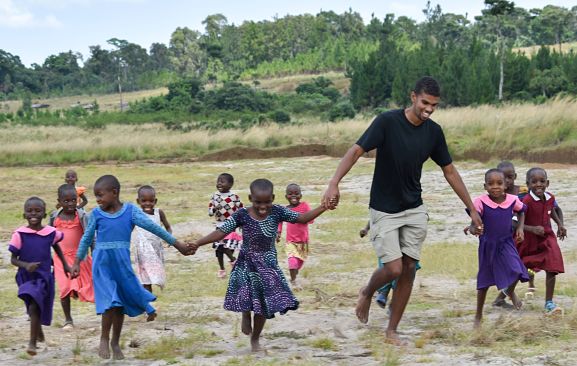
Kindergartners in Bushasha arrive at school knowing only their mother tongue, Kihaya. At most primary schools in Tanzania the national language, Kiswahili, is taught in the early years and used as the language of instruction through Grade 7. When students arrive at secondary school they are suddenly thrust into English-medium instruction and struggle to learn high-school-level content in a language they barely understand.
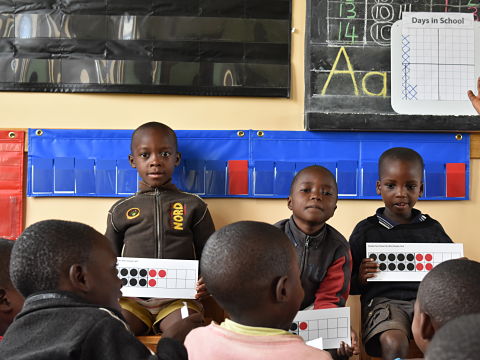
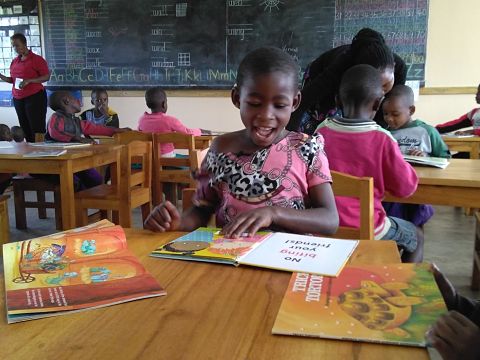
Twegashe teachers use English as the target language and language of instruction beginning in kindergarten. Kiswahili is introduced as a target language in Grade 2. Our aim is to provide children with a strong background in English that will help them to be successful in secondary school, while also ensuring competence in the national language, Kiswahili, which is vital for active participation as Tanzanian citizens. Additional English exposure is provided by U.S. volunteers and also through an exchange of letters with sponsors in the U.S.
Arts & Culture
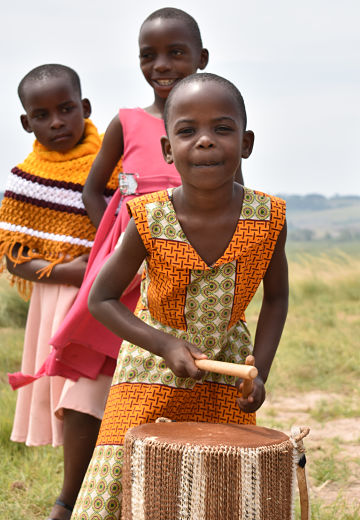
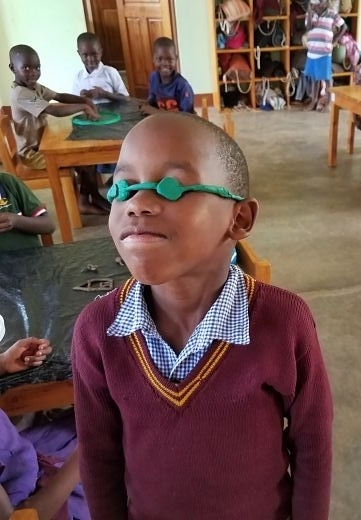
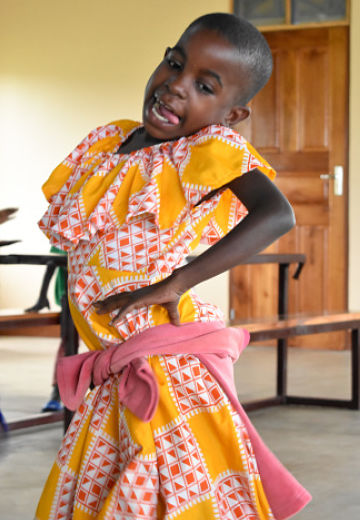
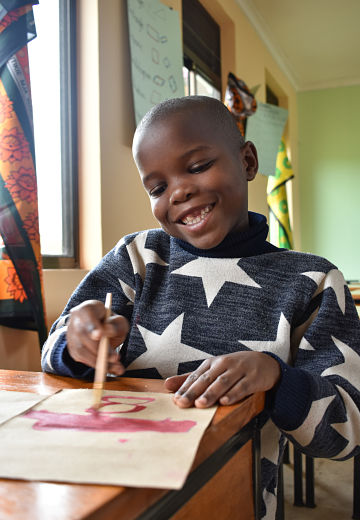
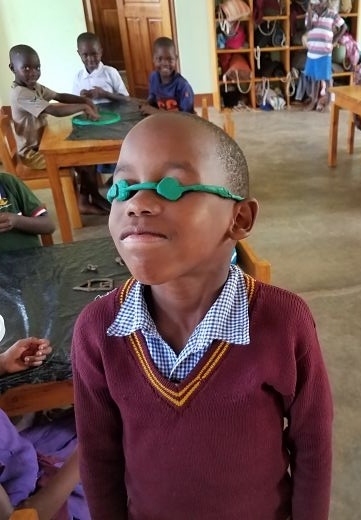
Arts instruction, valuable in its own right, can also help children succeed in other academic areas, developing motor skills, language skills, risk-taking and creativity. All Twegashe classes participate in visual arts and music activities regularly. Students participate in activities such as traditional music and dance, craft projects, and oral history projects to help instill pride in their local culture. Twegashe students develop a better understanding of other cultures through contact with volunteers from abroad. We are working to develop sister school relationships that will provide additional cultural exchange opportunities.
Health & Agriculture
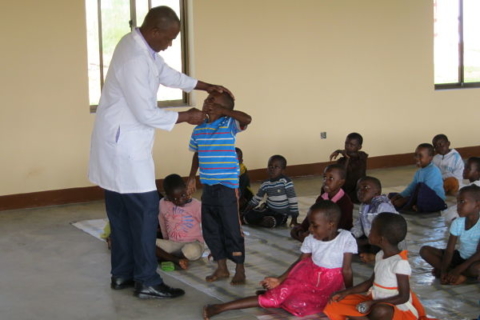
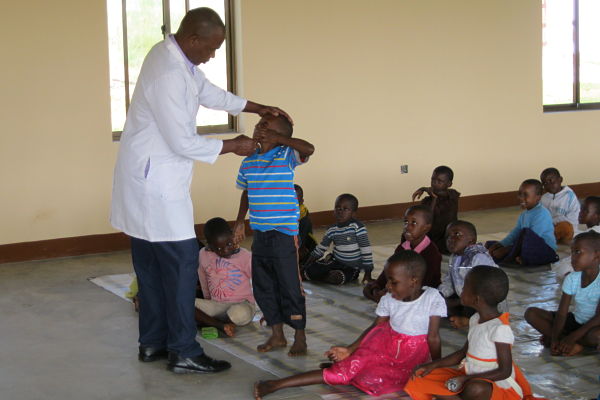
Twegashe Primary School works in partnership with the local clinic and with families to ensure that all students are healthy. In addition, we provide children with a nutritious breakfast and lunch daily so that empty stomachs do not interfere with their ability to learn.
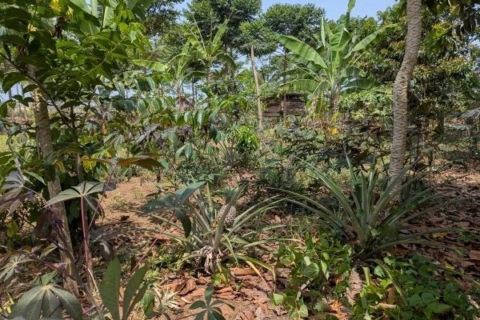
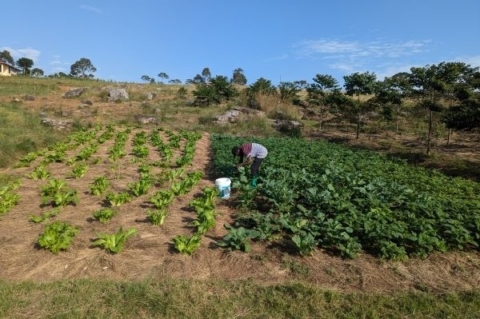
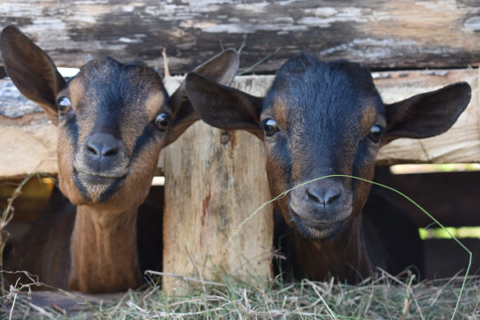
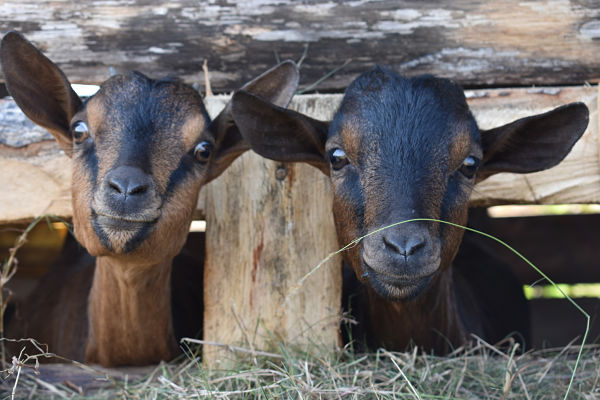
We’ve planted fruit trees and established a vegetable garden on the school site, which parents are helping to maintain. A donation of several goats by a Twegashe parent initiated our livestock program, which now also includes rabbits. In addition, we have an extensive tree-planting program. These agricultural projects provide hands-on learning for students and are helping the school move toward self-sufficiency. They also allow us to promote positive farming practices in the local community.


Environment
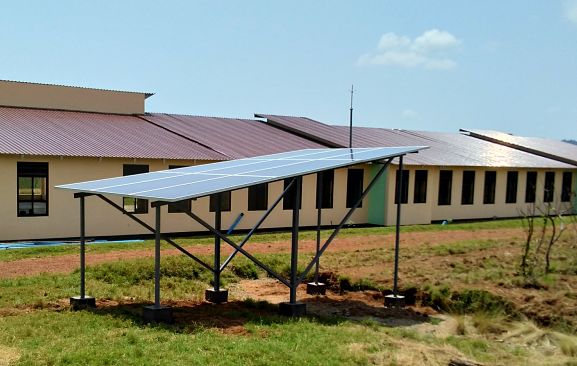
Twegashe School is committed to environmental sustainability. The school buildings and staff homes are powered by solar energy and we are pumping water using solar power. Toilets at the school and in the staff homes are “biofil toilets”. These toilets use only a small amount of water. A worm-based composting system digests the waste, rapidly converting it to compost that can be safely used on the garden.
We are currently using propane as a healthier alternative to firewood. Our school layout leaves dedicated space near the kitchen for a biodigester so that when our livestock program has grown we’ll have the option to use biogas instead of propane for cooking. Our garden in maintained organically, and we also promote environmental sustainability through the school curriculum.
School Construction
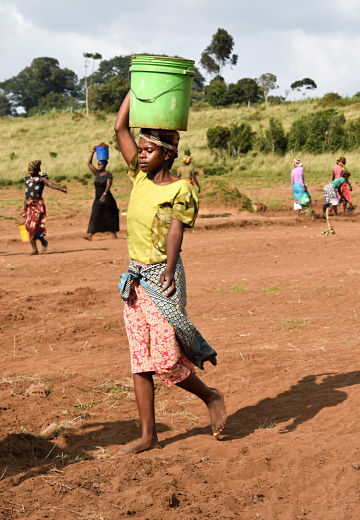
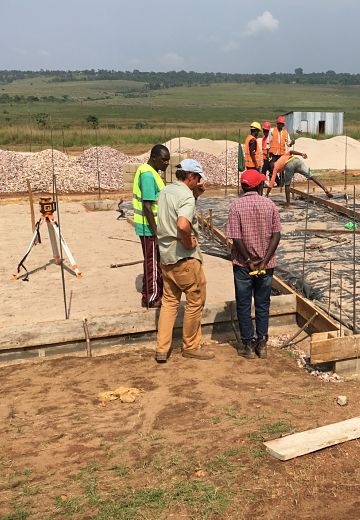
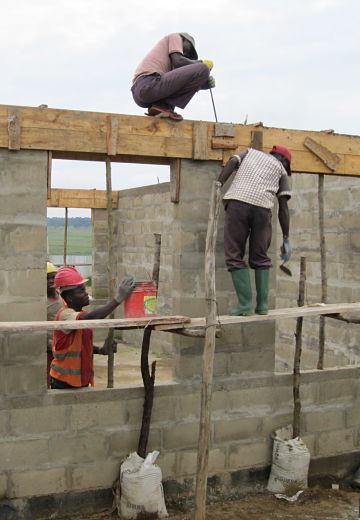
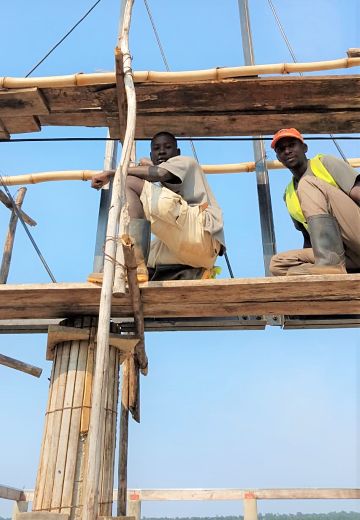
Construction on the Twegashe School campus is now complete except for one staff duplex. The school infrastructure includes nine classrooms with adjacent teacher offices, kitchen, cafeteria, library, staff room, administrative offices, toilets, water supply, a solar power system, and nine staff duplexes.
The construction design process was led by volunteer architect Marc Oplinger and a team from Gensler, a global design and architecture firm, through their G-Serve community outreach program.
A team of local builders carried out school construction after six months of on-site instruction from volunteer contractor Bill Suhr. The school buildings were all constructed using reinforced concrete to provide earthquake resistance. The construction team has benefited by learning new skills that they can use in the future.